

Nilatingaltunda-Perumal Temple

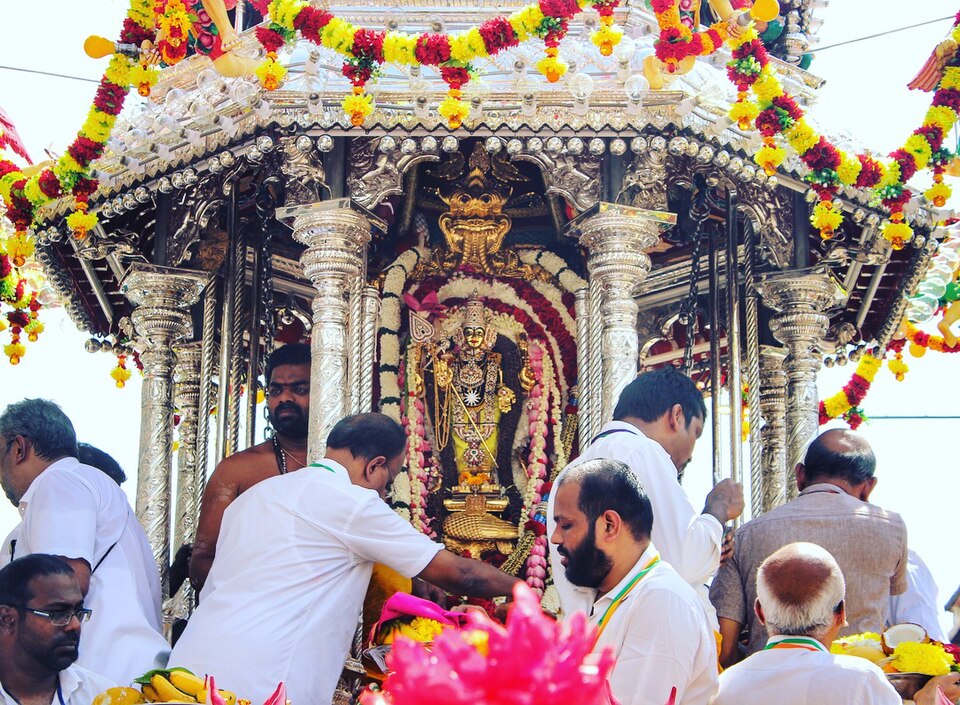
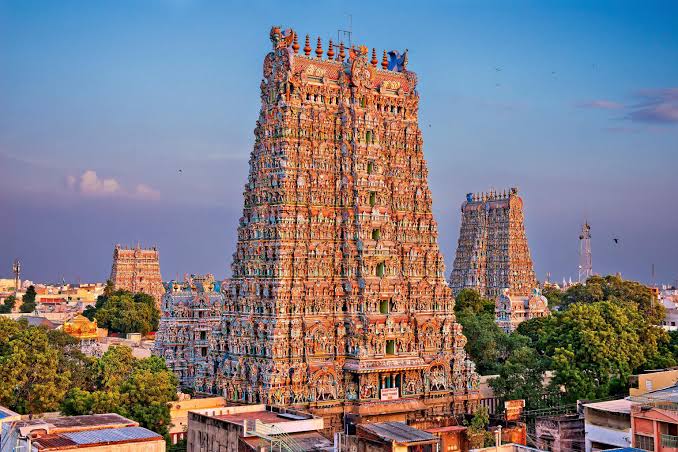
Explore the Nilatingaltunda-Perumal Temple, a Divya Desam shrine nestled within the Ekamresvara temple complex in Kanchipuram. Learn about its historical significance, the worship practices according to Shaivagamas, and the fascinating legends surrounding Lord Vishnu’s nomenclature as Nilatingaltunda Perumal.

THE SACRED STORY

Why This Site Is Important

WHY VISIT THIS TEMPLE

Bharat Ke Wow
Bharat Ke Wow
Episode : 10 Nilatingaltunda-Perumal Temple
Loading
/

Explore The Temple

Goa

TEMPLE EXPERIENCE

1
Enter the Ekambareswarar Temple
2
Receive Darshan of Nilatingaltunda Perumal
3
Discover the Legend of the Moon
4
Explore the Story of Parvati's Penance

VISITOR INFORMATION

Location

Inside Ekambareswarar Temple, Kanchipuram, Tamil Nadu

Nearest Railway Station

Kanchipuram Railway Station

Best Time to Visit

Accessibility

Accessible through the Ekambareswarar Temple complex

Nearest Airport

Chennai International Airport

Temple Timing

Follows the timings of Ekambareswarar Temple (Verify locally)

Suggested Duration

30-45 minutes

Entry Fee

Free

Dress Code

Traditional and modest attire recommended

Photography

Restricted within the inner temple precincts

Facilities

Drinking water, footwear stand, prasadam counters

Accessibility

Accessible through the Ekambareswarar Temple complex

VISITOR INFORMATION

HERITAGE TIMELINE

Mythological Era

Lord Vishnu is cooled by the rays of the moon after the episode of the Halahala poison, giving rise to the name Nilatingaltunda Perumal.

Mythological Era

Lord Vishnu assumes his Visvarupa to protect Goddess Parvati's penance from the descending Ganga.

Early Medieval Period

The shrine becomes integrated into the Ekambareswarar Temple complex.

Medieval Period

The unique tradition of worship according to Shaivagamas by Shivacharyas continues.

Present Day

Active Divya Desam preserving centuries-old traditions of Shaiva-Vaishnava harmony.

RELATED STORIES

Heritage Conservation Support

Support initiatives focused on preserving the temple’s architecture, inscriptions, rituals, and cultural legacy for future generations.

Scroll to Top