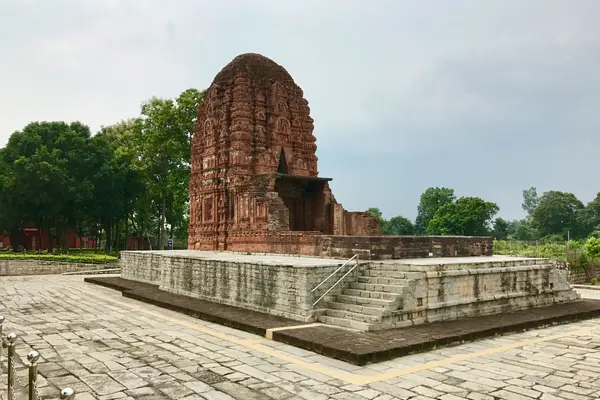


Ascend to the Sacred Temple
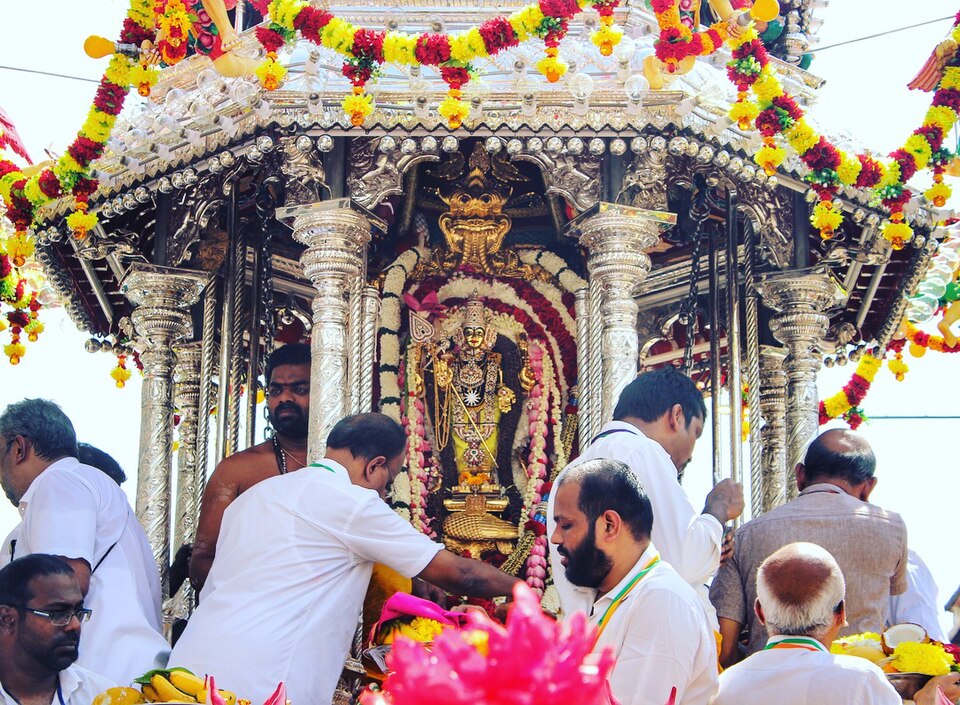
Receive Darshan of Muktishvara
Admire the Somaskanda Panel
Explore Shiva's Divine Manifestations
Location
Kanchipuram, Tamil Nadu
Nearest Railway Station
Kanchipuram Railway Station
Best Time to Visit
Accessibility
Easily accessible from central Kanchipuram
Nearest Airport
Chennai International Airport
Temple Timing
Suggested: 6:00 AM–12:00 PM & 4:30 PM–8:00 PM (Verify locally); Best Viewing Time around sunset (Suggested Content)
Suggested Duration
45–60 minutes
Entry Fee
Free
Dress Code
Traditional and modest attire recommended
Photography
Permitted in designated outer areas; restricted inside the sanctum
Facilities
Basic visitor facilities (Suggested Content)
Accessibility
Easily accessible from central Kanchipuram
Location
Kanchipuram, Tamil Nadu
Best Time to Visit
Temple Timing
Suggested: 6:00 AM–12:00 PM & 4:30 PM–8:00 PM (Verify locally); Best Viewing Time around sunset (Suggested Content)
Nearest Railway Station
Kanchipuram Railway Station
Nearest Airport
Chennai International Airport
Suggested Duration
45–60 minutes