
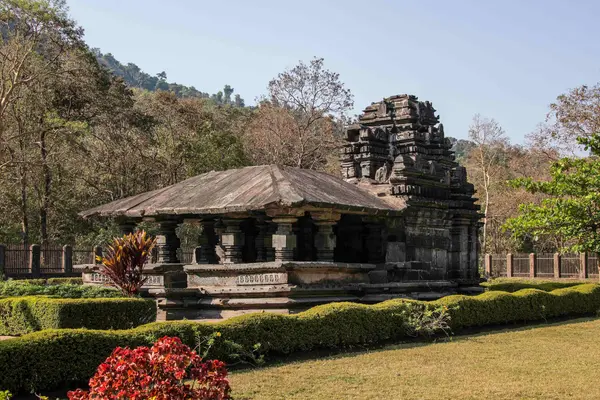

Thirukkalimedu Sathyanatheshvara Temple
THE SACRED STORY
Why This Site Is Important
Temple of Truth
Sacred Story
Gateway to Kanchipuram
Sacred Story
Blessings of Indra and Budha
Sacred Story
Sacred Natural Heritage
Sacred Story
WHY VISIT THIS TEMPLE
- Entrance shrine to the holy city of Kanchipuram. (Sacred Identity)
- Lord Sathyanatheshvara (Satyavaneshvara). (Primary Deity)
- Associated with the blessings of Indra and Budha. (Unique Feature)
- Indra Tirtham. (Sacred Tank)
- Maha Shivaratri, Pradosham, and Arudra Darshan. (Major Festival)
- October to March. (Best Time to Visit)
Explore The Temple
The Sacred Sanctum
Sacred Story
The Temple of Thirukkalishvara
Sacred Story
The Legends of Indra and Budha
Sacred Story
Indra Tirtham
Sacred Story
TEMPLE EXPERIENCE

Enter Through the Rajagopuram

Worship Lord Sathyanatheshvara

Visit Indra Tirtham

Explore the Sacred Shrines
Indra Tirtham
VISITOR INFORMATION

Location
Thirukkalimedu, Kanchipuram, Tamil Nadu

Nearest Railway Station
Kanchipuram

Best Time to Visit

Accessibility
Easily accessible from central Kanchipuram

Nearest Airport
Chennai International Airport

Temple Timing
Suggested: 6:00 AM–12:00 PM & 4:30 PM–8:00 PM (Verify locally)

Suggested Duration
30–45 minutes

Entry Fee
Free

Dress Code
Traditional attire recommended

Photography
Allowed in outer precincts

Facilities
Basic pilgrim facilities

Accessibility
Easily accessible from central Kanchipuram
VISITOR INFORMATION

Location
Thirukkalimedu, Kanchipuram, Tamil Nadu

Best Time to Visit

Temple Timing
Suggested: 6:00 AM–12:00 PM & 4:30 PM–8:00 PM (Verify locally)

Nearest Railway Station
Kanchipuram

Nearest Airport
Chennai International Airport

Suggested Duration
30–45 minutes
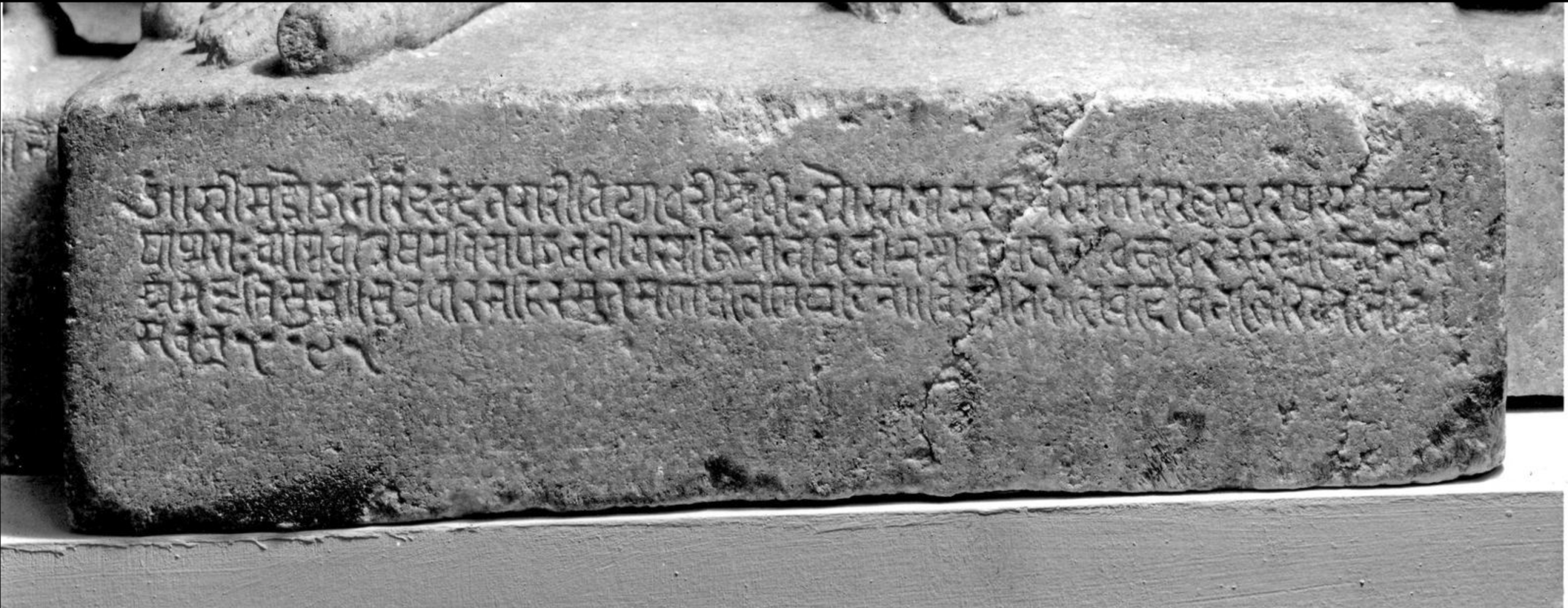
HERITAGE TIMELINE
The temple becomes known as Satyavratakshetra and serves as one of the sacred boundary shrines of Kanchipuram.
Continues as an active Shaiva temple attracting devotees seeking truth, divine grace, and spiritual fulfillment.
RELATED STORIES
Heritage Conservation Support
Support initiatives focused on preserving the temple’s architecture, inscriptions, rituals, and cultural legacy for future generations.